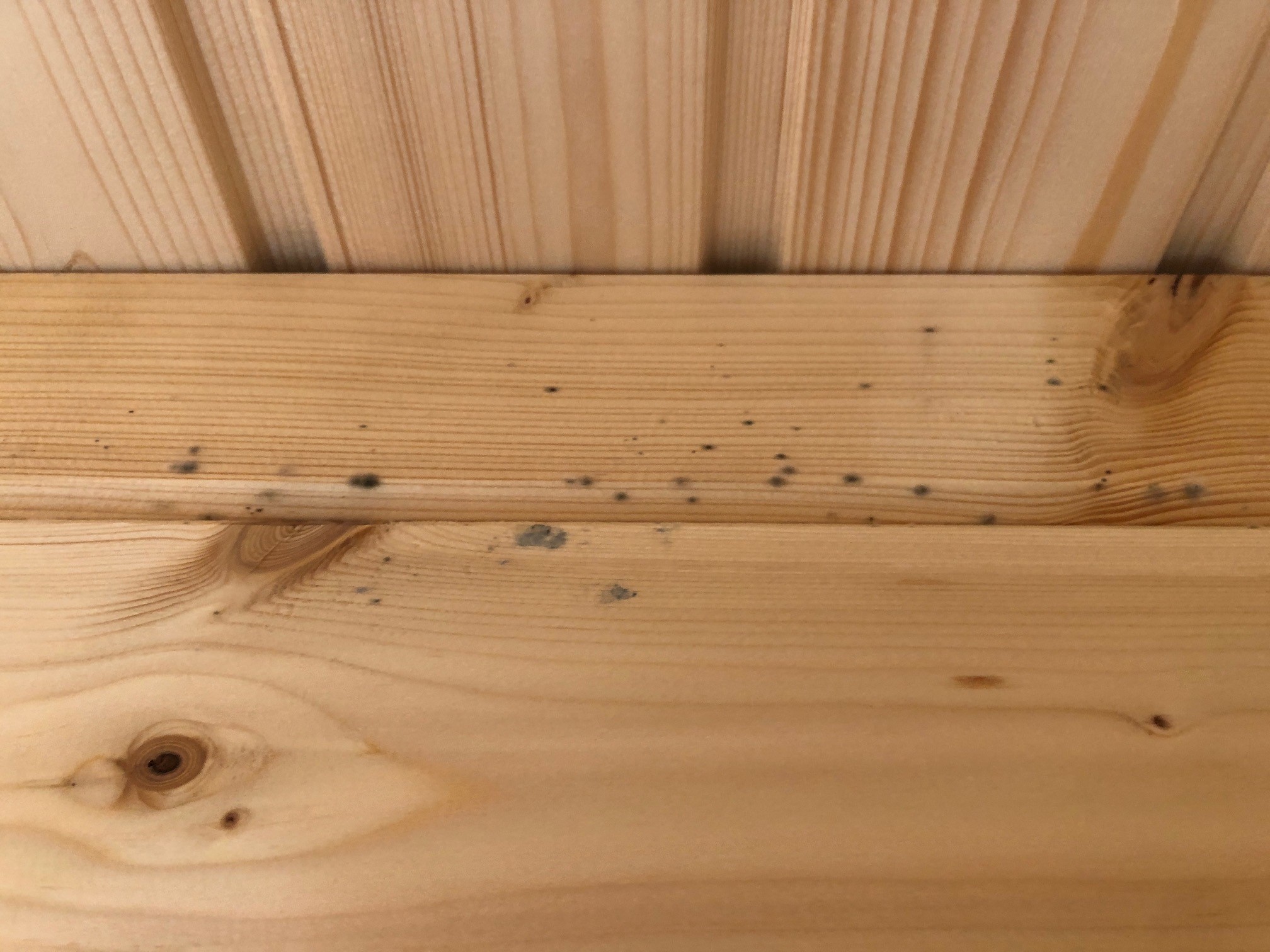
Mold on the interior walls of a garden house is usually caused by excess moisture combined with insufficient ventilation. Garden houses are often unheated and used seasonally, which makes them more susceptible to condensation and moisture buildup.
If the interior walls are left untreated, the wood can easily absorb moisture from the air, creating favorable conditions for mold growth. However, even treated surfaces can develop mold if ventilation is insufficient and excess moisture from condensation settles on walls and ceilings. Fortunately, mold spores typically remain on the surface of the wood and do not affect its structural strength or integrity.
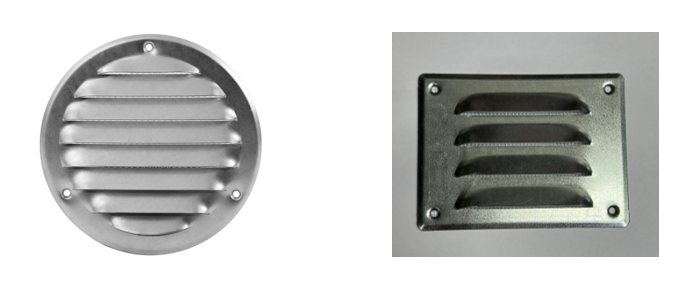
To prevent moisture buildup, regular ventilation of the house is essential. When the garden house is left unused for extended periods (especially over winter), ventilation is often minimal, allowing moisture levels to rise. Temperature differences between day and night or between indoor and outdoor air can cause moisture to condense on interior surfaces. Installing two ventilation grilles diagonally on opposite walls can significantly improve air circulation.
Mold can be removed using a commercial mold remover or vinegar. In more severe cases, cleaning agents containing chlorine may be used. Please consult your local store for advice on a suitable cleaning agent.
Was this article helpful?
That’s Great!
Thank you for your feedback
Sorry! We couldn't be helpful
Thank you for your feedback
Feedback sent
We appreciate your effort and will try to fix the article